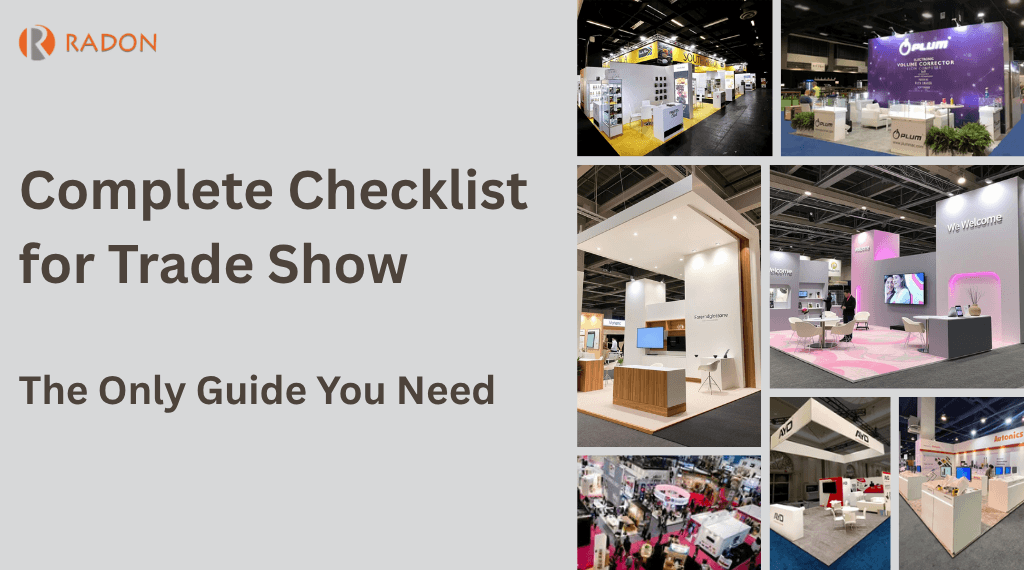
Exhibiting at a trade show significantly impacts your business credibility; therefore, it's vital to ensure your brand value streamlines your trade show booth presence. You must understand that booking floor space is only the first step of a high ROI event strategy.
To stand out on a crowded exhibition floor and generate qualified leads, you must run a structured execution plan. In this blog, we’ll provide a complete checklist for trade show success. We’ll cover every critical phase of the journey from strategic planning to post-event lead follow-up.
At Radon LLC, we’re leading trade show booth builders and guide you from the moment you decide to exhibit, ensuring no details slip through the cracks.
Checklist 1: Plan 3-6 Months Before the Show
For a successful event, you need to lay a strong foundation as early as possible. Executing this initial trade show planning checklist three to six months in advance prevents last-minute budget spikes, secures prime floor space, and keeps your entire team aligned on clear ROI goals.
- Strategy & Budget: It's vital to choose the right trade show, define clear exhibiting objectives, set overall exhibition budget and establish target lead-generation metrics.
- Space & Audience: You must select the booth size, analyse target audience demographics, research key competitor presences, and book prime booth space on the floor plan.
- Partners & Timeline: Connect with renowned exhibition stand builders such as Radon LLC as early as possible, as it allows time for custom 3D design iterations, structural engineering sign-offs, and a detailed master project timeline.
Checklist 2: Design & Build
Balancing a high-impact booth involves visual branding with practical functionality. Your trade show booth checklist must ensure the physical setup attracts foot traffic while supporting active sales conversations.
Essential Physical & Technical Elements
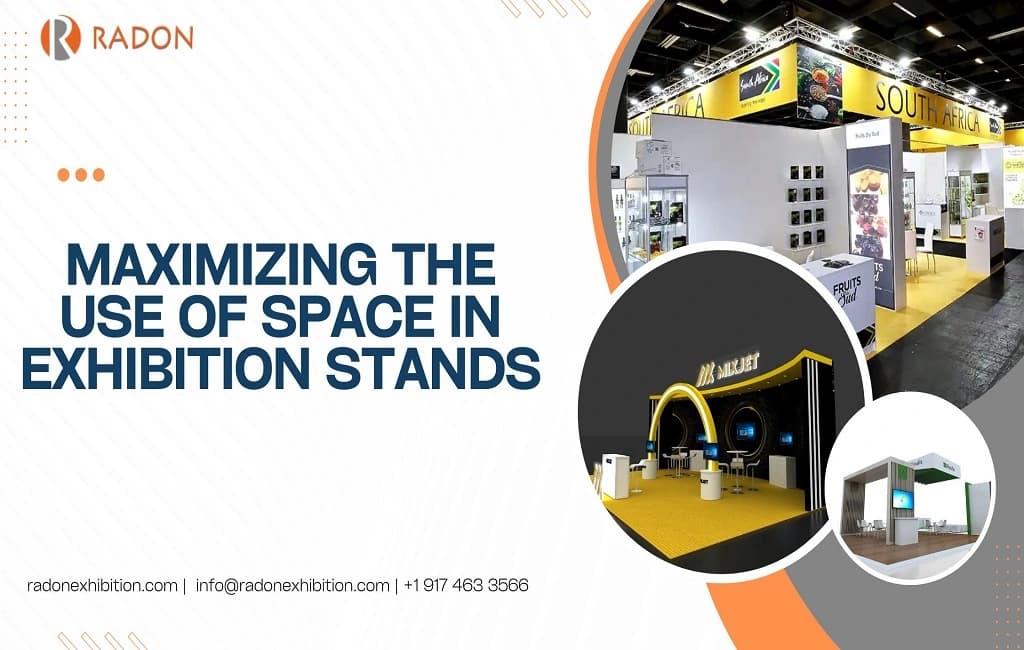
- Core Layouts & Aesthetics: Integrate open-access booth layout, raised flooring, overhead brand graphics, high-visibility lighting, and cohesive brand messaging.
- Functional Zones: Secure storage zones, product display counters, sound-dampened meeting areas, comfortable seating, and barrier-free accessibility routes.
- Technology & Utilities: Integrated AV equipment, dynamic LED screens, interactive tech displays, and pre-calculated electrical requirements for smooth hookups.
- Design Tip: You must not choose only a booth that looks attractive. It's vital to map around, especially around intuitive visitor flow and distinct lead-capture touchpoints towards private meeting zones.
Checklist 3: Marketing & Promotion
Driving high-value foot traffic requires strategic pre-show outreach long before the door opens. The trade show exhibitor checklist must outline the essential promotional steps that help capture prospect interest early and fill your event calendar.
- Digital Outreach & Landing Pages: You need to launch a dedicated event landing page equipped with a meeting-booking system. It must be comprehensively utilised to send targeted email invitations to high-value prospects, and publish pre-show social media announcements.
- PR & Media Campaigns: Run press releases to announce new product launches, live booth demonstrations, or featured speaking slots.
- In-Booth Marketing Collateral: Print branded promotional materials, configure digital QR codes for instant brochure downloads, and source high-quality, eco-friendly giveaways.
- Team Alignment: Conduct a comprehensive sales team briefing to align staff on target messaging, meeting schedules, and lead-capture targets.
Checklist 4: Trade Show Logistics
Your booth may have little value if the materials are delayed at the loading dock. Working through a meticulous checklist for trade shows ensures all venue forms, utility hookups, and freight timelines are locked in well before build day.
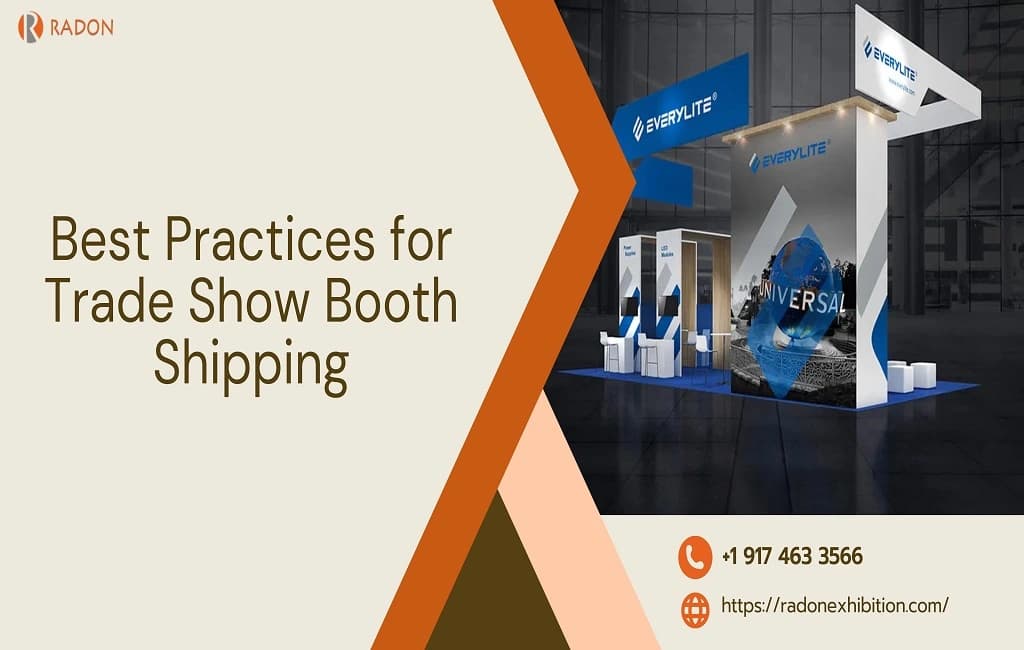
- Shipping & Freight: You need to finalise freight booking, print approved venue shipping labels, track advance warehouse delivery deadlines, and confirm on-site material handling and drayage fees.
- Venue Utilities & Services: Submit advance service order for electrical drops, dedicated high-speed internet lines, overhead rigging approvals, exhibitor badges, and staff parking or access passes.
- Schedules & Travel: You must coordinate a detailed build and dismantling schedule with the help of your logistics crew. You must lock in hotel, flight, and local transport arrangements for the entire booth team early.
Checklist 5: Trade Show Staff Checklist
Your team's expertise directly influences your event ROI. Equip crew with a structured preparation plan to ensure every conversation drives smooth business flow.
- Role & Schedules: It's vital you clearly assign booth roles, set balanced shift schedules, define daily lead targets, and coordinate pre-booked meeting schedules.
- Training & Pitching: A well-trained staff can engage with an elevator pitch, brief visitors with key competitor tactics, and provide responses for common FAQs.
- Operations & Standards: It's vital to establish a professional dress code as it helps align everyone on clear lead qualification criteria.
Running a proactive engagement reminds staff to stand near aisle entry points and greet passersby.
Checklist 6: Trade Show Day
You need to run through a quick-reference checklist during the final morning walk-through before the venue welcomes attendees.
- Booth & Graphics: Booth structure must look clean, and graphics need to be fully tensioned while display surfaces must be wiped down.
- Tech & Lighting: All lighting fixtures must work, AV screens must function well, and digital QR codes must scan correctly.
- Lead Systems: Ensure the lead capture devices are fully charged, connected to Wi-Fi, and operational.
- Collateral & Products: Product samples are well displayed. Literature is stocked, and promotional giveaways are ready.
- Team & Space: Staff is fully briefed, dress code is met, and private meeting areas are ready for scheduled appointments.
Checklist 7: Post-Trade Show
How valuable your trade show exhibition is can be understood only after the show floor closes. With post-show workflow, you’ll understand that warm leads don't go cold but maximise overall event ROI.
Lead Management: You must export collected leads and categorise prospects by priority. Connect with hot leads within 48 hours and schedule initial sales meetings.
Targeted Outreach: Quickly follow up with personalised email and deliver requested digital brochures or custom pricing proposals.
Performance Analysis: Calculate final ROI, evaluate lead quality against event costs, and gather direct visitor feedback.
Continuous Improvement: Conduct a debrief session with the sales team and review booth performance and document key operational lessons for the next show.
Checklist 8: Final 24-Hour Review
This stage is the most vital moment for businesses participating in an event. Your checklist for the trade show must include complete verification of every operational area and to ensure everything is 100% ready the day before the show opens.
- Booth: Structural integrity confirmed, display surfaces and graphics securely mounted.
- Staff: Fully briefed on pitches, daily lead targets, shift schedules, and dress code.
- Marketing: Giveaway set up, printed brochures stocked, and digital QR codes tested.
- Logistics: Drayage cleared, exhibitor badges printed, and parking/access passes distributed.
- Technology: AV screens, lighting active, and multimedia loops running smoothly.
- Lead Capture: Badging apps synced, Wi-fi connected, and backup battery packs fully charged.
- Travel: Hotel vouchers, flight details, and local transport options confirmed for all team members.
- Documents: Vendor contracts, venue permits, and liability insurance certificates printed and accessible on-site.
FAQs
Q. What should be included in a trade show checklist?
Ans- A complete checklist for a trade show must cover every phase of event execution, i.e., early timeline planning, budget setting, booth design and build, marketing outreach, venue logistics, staff training, day-of operations, and post-show lead follow-up.
Q. How early should you start planning a trade show?
Ans- It's best to start planning 3 to 6 months in advance. Starting early helps you secure prime booth space on the floor plan and gives stand builders time for custom 3D design iterations. This way, it prevents last-minute venue rush fees.
Q. What are the key focus areas that define a trade show booth success?
Ans- You must focus on both aesthetics and function for a successful trade show booth experience, i.e., layout, overhead branding, product display counters, lighting, private meeting areas, storage, AV screens, electrical drop requirements, and clear visitor entry routes.
Ready for Your Next Trade Show?
Transforming a checklist into a high-performing exhibition is possible only when you have experts who regularly handle such tasks. For years, Radon LLC has been helping businesses stand out on global exhibition floors through turnkey trade show services. Our team manages every operational detail for diverse displays, ranging from a 10x10 booth to a double-decker exhibit solution.
Connect with Radon LLC today and maximise your event ROI.